
Mit der passenden Checkliste gelingt der Wechsel mit unserem Stromvergleich spielend
-


-
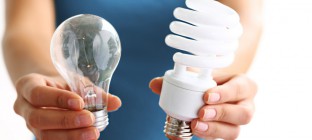
Durch eine passende Energieberatung können Energiefresser identifiziert und beseitigt werden
-

Die Strompreise steigen immer weiter – Eine Übersicht der letzten Jahre und was zu erwarten ist
 Inhaltsverzeichnis
- Folgen der Deregulierung des Strommarktes
- Eigene Vorlieben einbringen
- Stromvergleich durchführen
- Online Vergleich nutzen
- Stromanbieter wechseln – wie geht das?
- Wie lange dauert ein Stromanbieterwechsel
- Ökostrom
- Fazit
Folgen der Liberalisierung des Strommarktes
Die Ausgaben für Strom sollten in der heutigen Zeit nicht mehr missachtet werden. Aufgrund stets ansteigender Strompreise können durch einen Anbieterwechsel nämlich enorme Kosten eingespart werden. Aus diesem Grund führen immer mehr Personen einen Preisvergleich bei uns durch und denken darüber nach, den Lieferanten zu wechseln. Die Liberalisierung wirkt sich schon seit Jahren gut auf den Wettbewerb aus, sodass es einem jeden Endkunden ermöglicht wird, den optimalen Stromanbieter für die eigenen Bedürfnisse zu finden.
Zwischen den einzelnen Stromanbietern gibt es erst seit der Deregulierung im Jahr 1998 einen Wettbewerb. Heute hat also jeder die Möglichkeit, einen beliebigen Stromanbieter auszuwählen. Die Meisten erhofften sich durch die Deregulierung eine gewisse Konstanz bei den Strompreisen, allerdings trat das genaue Gegenteil ein: Auch heute steigen die Preise noch jährlich an. Nichtsdestotrotz ergeben sich Vorteile für die Abnehmer, die ausgenutzt werden sollten. Wer den Stromanbieter wechselt, kann jede Menge Geld sparen. Die wenigsten Mitbürger wissen, dass die Einsparungen in einem solchen Ausmaß stattfinden.
 Seit 1998 haben nur an die 13 Millionen Menschen den Stromlieferanten gewechselt. Von diesen 13 Millionen haben sich jedoch lediglich 2 Millionen für einen Anbieterwechsel entscheiden. Die restlichen Verbraucher wechselten innerhalb des Stromanbieter-Portfolios die Tarife. Grund für die geringe Zahl an Interessenten besteht insbesondere darin, dass die meisten Personen zu wenig über einen Stromanbieterwechsel aufgeklärt wurden. Oftmals wird befürchtet, dass die Stromzufuhr in der Übergangsphase unterbrochen wird. Solche Gedanken sind jedoch vollkommen überflüssig, da der örtliche Stromversorger üblicherweise weiterhin den gelben Saft liefern wird. Der neue Anbieter hat die Aufgabe den verbrauchten Strom in das örtliche Netz einzuspeisen. Sollte dieser das nicht machen, besteht die Pflicht für den örtlichen Lieferanten den Kunden weiterhin mit Strom zu versorgen.
An der Stromversorgung ändert sich von daher nichts außer der Preis. Bei einem Tausch durch den Stromrechner geht man demnach keinesfalls ein Risiko ein. Meistens läuft alles sehr schnell und unkompliziert ab. Wenn erst einmal günstige Angebote gefunden werden, ist der Grundstein gelegt.
Eigene Vorlieben einbringen
Natürlich zielt in erster Linie jeder darauf ab, finanzielle Vorteile zu erzielen. Es gibt aber auch noch andere Vorteile, die eine bedeutende Relevanz haben können, wie auch Tarifplus24 berichtet. Manche Leute legen beispielsweise auch großen Wert auf die Umwelt. Sollte dies der Fall sein, wäre Ökostrom die richtige Option. Weitere Informationen und reine Ökostrom-Tarife stehen neben unserem Ökostrom-Rechner auch auf den Seiten von Oekostrom.com zur Verfügung.
Jeder, der noch nie einen Stromvergleich durchgeführt hat, wird mit Sicherheit einen günstigeren Anbieter auffinden. In der Regel muss dem alten Versorger nicht einmal selbst gekündigt werden, sodass ein Tausch des Anbieters wirklich mit keinerlei Stress und Papierkram verbunden ist. Die einzige Änderung, die einen selbst betrifft, ist die Ersparnis. Stromabnehmer können bereits seit 1998 den Stromanbieter wechseln. Bei einem Tausch des Anbieters ist eine lückenlose Stromversorgung immer garantiert. Nichtsdestotrotz muss erst verglichen und dann eine Wahl getroffen werden. Hierfür stehen auch andere Stromvergleiche zur Verfügung. Einer davon ist in Kombination mit einem Gutschein z.B. auf Sparangooo via Check24 verfügbar.
Stromvergleich durchführen
Mit unserem Strompreisvergleich kann jede Person einen Stromanbieter finden, der am besten auf die eigenen Bedürfnisse zugeschnitten ist. In einem solchen Vergleich kann nämlich nach den wichtigsten Kriterien gefiltert werden. Neben der Postleitzahl sollte auch der Verbrauch in kwh abgefragt werden. Wenn dann alles eingegeben wurde, wird das System eine Auflistung sämtlicher Stromanbieter darbieten, die nach den Angaben noch in Frage kommen. Die Entscheidung wird infolgedessen viel einfacher fallen.
Online Vergleich nutzen
 In diesem modernen Zeitalter steht es jedem Endkunde offen, jegliches im Internet zu vergleichen. Genauso ist es auch bei den Strompreisen. Das bringt sehr viele Vorteile mit sich, die sich wirklich keiner entgehen lassen sollte. Da es eine so breite Masse an Stromanbietern gibt, wäre es mit einem großen Aufwand verbunden, alle alleine zu vergleichen. Man würde mit dem Lesen fast nicht fertig werden. Bei einem Stromvergleich im Internet von z.B. Energiesparcheck.de können jedoch spezielle persönliche Angaben gemacht werden, woraufhin eine Software die passenden Dienstleister herausfiltert. Obendrein werden alle wichtigen Informationen kompakt zusammengefasst. Nach einem solchen Stromvergleich wird die Auswahl viel einfacher fallen.
Vorteile beim Online Stromvergleich:
- anonymer und einfacher Vergleich nach Eingabe von PLZ und Jahresverbrauch
- Kostenvergleich mit dem bisherigen Tarif
- Alle Bonuszahlungen und Preisnachlässe sind in unserem Stromvergleich integriert
- Anpassung an Tarife mit Laufzeit, Zahlweise, Preisgarantie möglich
- exklusiver Bonus
- Antrag direkt online, per PDF, E-Mail oder Post
Stromanbieter wechseln – wie geht das?
Nachdem die aktuellen Strompreise gründlich durchgeschaut und miteinander verglichen wurden, kann man sich für einen neuen Anbieter entscheiden. Vor dem Transfer haben dann die meisten Personen Angst, was allerdings vollkommen unbegründet ist. Heutzutage bieten die meisten die Möglichkeit, die Tarife vollkommen über das Netz zu wechseln. Hierzu muss lediglich ein Formular ausgefüllt und abgeschickt werden. Per Post oder E-Mail kann man sich außerdem weitere nützliche Informationen zusenden lassen. Die wichtigsten wird man aber auch bereits auf unserer Stromvergleich Seite finden. In einem PDF-Dokument des jeweiligen Anbieters wird man dann immer noch Erläuterungen zu den aktuellen Stromtarifen finden.
- Verwenden Sie hierfür unsere Checkliste zum Wechsel
Sollte also ein Formular ausgefüllt worden sein, muss man im Prinzip erst einmal nichts mehr machen. Der neue Anbieter wird beim bisherigen Stromversorger kündigen und alles in die Wege leiten. Für einen störungsfreien Umzug des Anbieters sollte der alte Tarif niemals selbst gekündigt werden. Das neue Unternehmen kann in der Regel die Umstellungsphase am besten einschätzen.
Wie lange dauert ein Stromanbieterwechsel?
Der Versorgerwechsel erfolgt in der Regel zum Ersten eines Monats. Der Übergang kann je nach Unternehmen verschieden lang dauern. Meistens aber muss mit Fristen zwischen sechs und zehn Wochen gerechnet werden. Durch den Austausch ergibt sich für den Endabnehmer selbst keine Änderung, sodass auch kein neuer Stromzähler benötigt wird. Die Versorgung wird schließlich weiterhin von ein und dem selben Anbieter erfolgen. Die Aufgabe des neuen Anbieters besteht nur darin, den verbrauchten gelben Saft ins Stromnetz einzuspeisen, wofür eine Durchleitungsgebühr gezahlt werden muss. Die Stromrechnung wird von nun an jedoch vom neuen Stromlieferanten zugeschickt werden und wesentlich günstiger sein.
Dank des Stromversorgungsgesetzes sind regionale Unternehmen dazu verpflichtet, Bürger lückenlos mit Power zu versorgen. Auch wenn der neue Versorger seinen Verpflichtungen nicht nachkommt, darf der gelbe Saft nicht einfach abgeschaltet werden. Sollte es zu einem solchen Vorfall kommen, hat man 3 Monate Zeit sich um einen neuen Stromzulieferer zu kümmern. Sollte man das nicht machen, wird nach dieser Frist automatisch ein Vertrag mit dem örtlichen Stromanbieter entstehen.
Ökostrom
 Dies ist die neue Generation der Energieversorgung. Erneuerbare Energien sind auf dem Vormarsch – und das nicht erst seit gestern. Die Bevölkerung kann sich mit Sonnenkollektoren auf dem Dach selbst am Strommarkt beteiligen. Spezielle Kraftwerke werden erbaut und Ökostromanbieter kommen immer besser bei der Menschheit an. In Puncto Umweltbewusstsein könnte es nämlich kaum besser laufen. Oftmals scheut man aber vor den scheinbar hohen Preisen, welche jedoch eigentlich gar nicht mehr so hoch sind. Durch den Ausbau der erneuerbaren Energien wurden die Stromkosten gesenkt, sodass diese nun vergleichbar zu den Kilowattstunden-Preisen ist.
Neben Windenergie, Wasserkraft, Solarthermie und Solarstrom zählt auch die Biomasse und die Erdwärme zu den relevanten erneuerbaren Energien, die es weltweit gibt. Für die Massenmarkteinspeisung sind jedoch noch lange nicht alle Technologien ausgereift genug, sodass die Produktion oftmals nur in geringen Mengen läuft. Solarenergie, Windkraft und Wasserkraft sind jedoch schon sehr weit fortgeschritten und können große Mengen in das Stromnetz befördern. Je nach Stromtarif ist es unterschiedlich, ob dieser immer natürliche Energiequellen aus erneuerbaren Energien nutzt oder auf fossile Energieträger zurückgreift.
Im folgenden die wichtigsten Informationen zu den drei wichtigsten Quellen der erneuerbaren Energien:
Windkraft
 Eine der wichtigsten Quellen sind die Windkraftwerke. Das Naturelement Wind wird zur Stromerzeugung genutzt. Das ist natürlich umweltschonender als Strom aus bspw. Kohlekraftwerken zu gewinnen. In Windkraftwerken wird der Wind zur Erzeugung von ökologischem Strom genutzt. Diese Art zählt zu den erneuerbaren Energien, die besonders auf offenen Flächen ohne viel Bewuchs wirtschaftlich sind. Besonders geeignet sind Agrarflächen und Küstenregionen. Die Bewegungsenergie der bewegten Luftmasse kann hierbei in Strom umgewandelt werden. Der Wind ist allerdings nicht kontinuierlich vorhanden, weshalb Windkraftwerke heutzutage häufig nur unterstützend eingesetzt werden. In der Regel werden sie nämlich von anderen Energiequellen unterstützt, weil sie keinesfalls dazu fähig sind, ein Stromnetz alleine und kontinuierlich zu versorgen. Windenergie ist eine sehr wichtige, aber nicht die einzige Stromquelle. Die Anzahl der Windparks steigt kontinuierlich an und der Windstrom erlangt an immer größerer Bedeutung.
Wasserkraft
 Das Naturelement Wasser wird bereits lange zur alternativen Stromversorgung genutzt. Ein Wasserkraftwerk ist dazu fähig, die mechanische Kraft in elektrische umzuwandeln. Der Wasserstrom wird durch eine oder mehrere Turbinen angetrieben. Ein Generator wandelt die mechanische- in elektrische Energie um und speist sie auch in das Stromnetz ein. Bei der Konzeption der Anlagen muss jedoch verantwortungsbewusst mit den möglichen Konsequenzen für die Natur und die Umwelt umgegangen werden. Sollten ganze Täler geflutet werden, kann es sein, dass zu große Schäden entstehen. Mit Wasser aus Gletscher muss ebenfalls wirtschaftlich umgegangen werden, da dieses Wasser schließlich endlich ist und eventuell erst mit der nächsten Eiszeit erneuert wird.
Solarstrom
 Solarstrom spielt in vielen privaten Haushalten eine große Rolle. Mit Photovoltaik kann das interne Stromnetz einfach versorgt werden. Die thermische Energie der Sonne wird genutzt, um Ökostrom zu erzeugen. Oft werden aber nicht genügend kwh erzeugt, um unabhängig leben zu können. Die Sonnenenergie wird gesammelt und dann Strom erzeugt. In Deutschland wird die Möglichkeit der Einspeisung des Solarstromes in das Stromnetz zu einem Festpreis garantiert, sodass Photovoltaik wirtschaftlich wurde. Daher wurde auch die Innovation und die technische Neuerung gefördert.
Fazit
Aufgrund der großen Preisunterschiede der einzelnen Stromanbieter, lohnt sich ein Stromvergleich auf jeden Fall. Das Gute ist, dass es heutzutage keine große Arbeit mehr ist, einen neuen Dienstleister zu finden. Dank unserer kostenlosen Stromvergleichs-Homepage kann jeder Verbraucher zu seinem ganz persönlich idealen und günstigen Dienstleister und deren Stromtarife gelangen. Wir stellen auch Angebote für Gewerbestrom zur Verfügung. In wenigen Schritten und in kurzer Zeit wird man bereits an sein Ziel gelangen und sämtliche Anbieter aufgelistet bekommen, die zu den eigenen Bedürfnissen passen. Es muss bei einem Stromanbietertausch mit keinerlei Risiken gerechnet werden, weshalb wirklich nichts gegen einen Stromvergleich spricht.
Ähnlich dem Stromvergleich funktioniert das ganze auch beim Gas, also bei unserem Gasvergleich vonstatten. Wer sein Gas günstiger beziehen möchte, der sollte unseren Gaspreisvergleich nutzen um den günstigsten Gasversorger zu finden und einige Euro sparen zu können. Auch die Gas-Anbieter stehen für guten Service und beantworten viele ungeklärte Fragen im Kundendienst und das alles kostenlos. Wichtig bei beiden Energiearten ist es die AGB durchzulesen um keine bösen Überraschungen zu erleben. Allerdings sind Besonderheiten der AGB und weitere Daten (Datenschutz) in unserem Rechner in den meisten Fällen berücksichtigt und mit eingerechnet. Unser Stromanbietervergleich wird in Kooperation mit Check24 zur Verfügung gestellt. Unser Partner Check24 wurde vom TÜV Süd für deren Stromvergleich ausgezeichnet. Auch zu beachten sind unsere Tipps im Ratgeber.
Vor Kurzem haben wir eine sehr interessante Statistik auf Stromvergleich24.net gesehen. Dort stehen für Besucher viele Daten ab dem Zeitpunkt des Besuches zur Verfügung, unter Anderem wieviele den Stromanbieter wechseln, wie Strom produziert wird und vieles mehr. Ein Block lohnt sich.